Students sat in the Laguna Beach High School library during tutorial as a presentation titled “Relationship Reality Check: What’s healthy and what’s not” appeared on the screen. Students listened closely as they reflected on their own friendships and relationships. A guest speaker from Laura’s House, a domestic violence shelter and resource, explained the difference between healthy and unhealthy relationship habits, encouraging students to recognize warning signs and understand the importance of respect and communication.
As February focuses on love, many people at LBHS are spending time with partners, friends, or family. With increased attention on relationships this month, LBHS has been encouraging students to reflect on what healthy relationships actually look like. While Valentine’s Day often highlights romance, staff members say it is also a necessary time to focus on communication, respect, and emotional well-being. This year, the message is crucial as schools across the country place a greater emphasis on student mental health and emotional wellness, encouraging teens to build healthier connections early on.
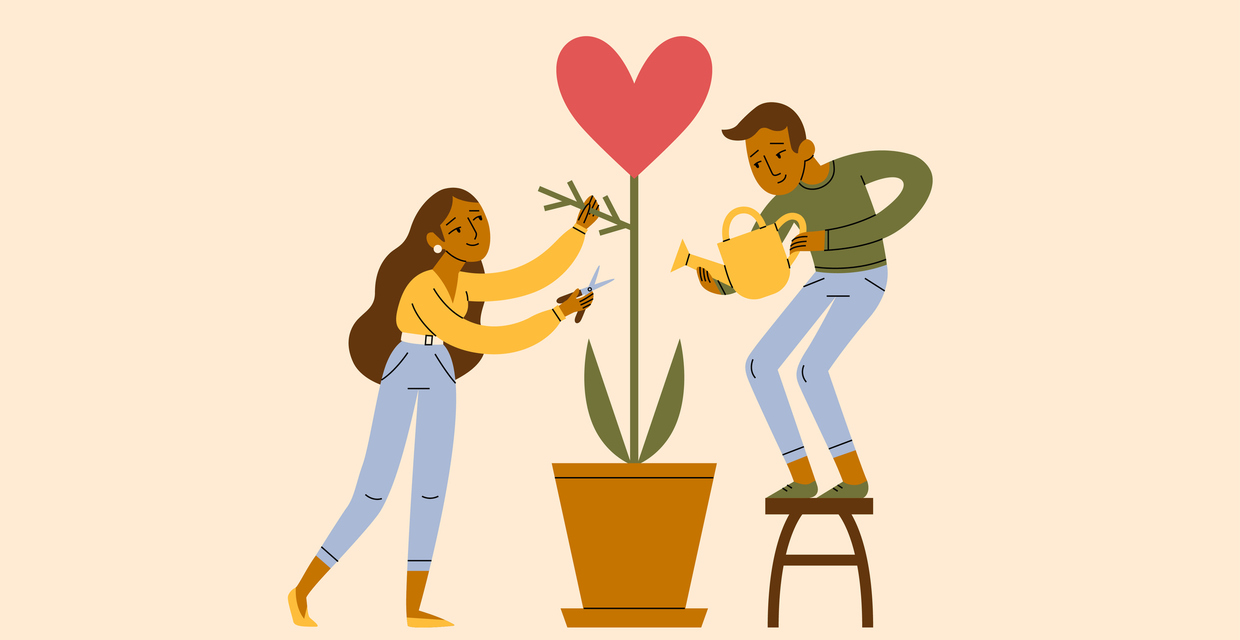
According to Johns Hopkins University, healthy relationships include trust, respect, safety, communication, boundaries, consent, equality, healthy conflict, and fun. Healthy relationships “promote emotional and social wellness,” while unhealthy ones can leave people feeling “drained, overwhelmed, and invisible.”
Megan Humphreys, the LBHS social worker, provides students with emotional support on campus and connects students to support outside of school as well. “I have worked as a therapist for over 10 years and enjoy working in the school setting to connect with a variety of students who may benefit from increasing their wellness,” Humphreys said. She added that healthy relationships can reduce stress and improve overall well-being. “Healthy relationships often increase our happiness and enjoyment in life’s experiences and increase our positive sense of self,” she said.
Humphreys said disagreements are a regular part of relationships, but communication plays a key role in resolving conflict. She explained that being able to express opinions respectfully and feel heard helps maintain a healthy dynamic, while constant fighting and lack of communication can signal unhealthy patterns.
Respect and boundaries also play a significant role. Boundaries can be physical, emotional, time-related, or material. Respecting them shows care and consideration, while ignoring them can create the feeling of discomfort or harm.
If someone notices signs of an unhealthy relationship, sometimes the best thing to do is to get support. Humphreys recommends sharing your feelings first and talking with the person you’re in a relationship with.
Students around LBHS all have different ways of maintaining a healthy relationship. Kurt Moen (11) thinks communication is key. “The key to a healthy relationship is to communicate, but also go out and do fun things together,” Moen said. He added that balancing respect with fun experiences has helped maintain his year-long relationship.
Parents also play a role in shaping students’ views on relationships. Tiffany Martino, a parent of two LBHS students, said communication and self-worth are essential. “When people in relationships don’t communicate their frustrations, they begin to fester, leading to bitterness and resentment,” Martino said. She added, “It’s important to know your self-worth. If you do, you are less likely to put up with someone treating you poorly. Sometimes it’s hard to realize when you are in an unhealthy relationship”.
As students continue to learn about relationships, Humphreys hopes they remember the importance of choosing connections that support their well-being. “Choose relationships that make you feel good about yourself and are positive,” Humphreys said. “High school is a great opportunity to begin learning what you want in a relationship and practicing advocating for yourself, setting healthy boundaries, and working on positive communication.”