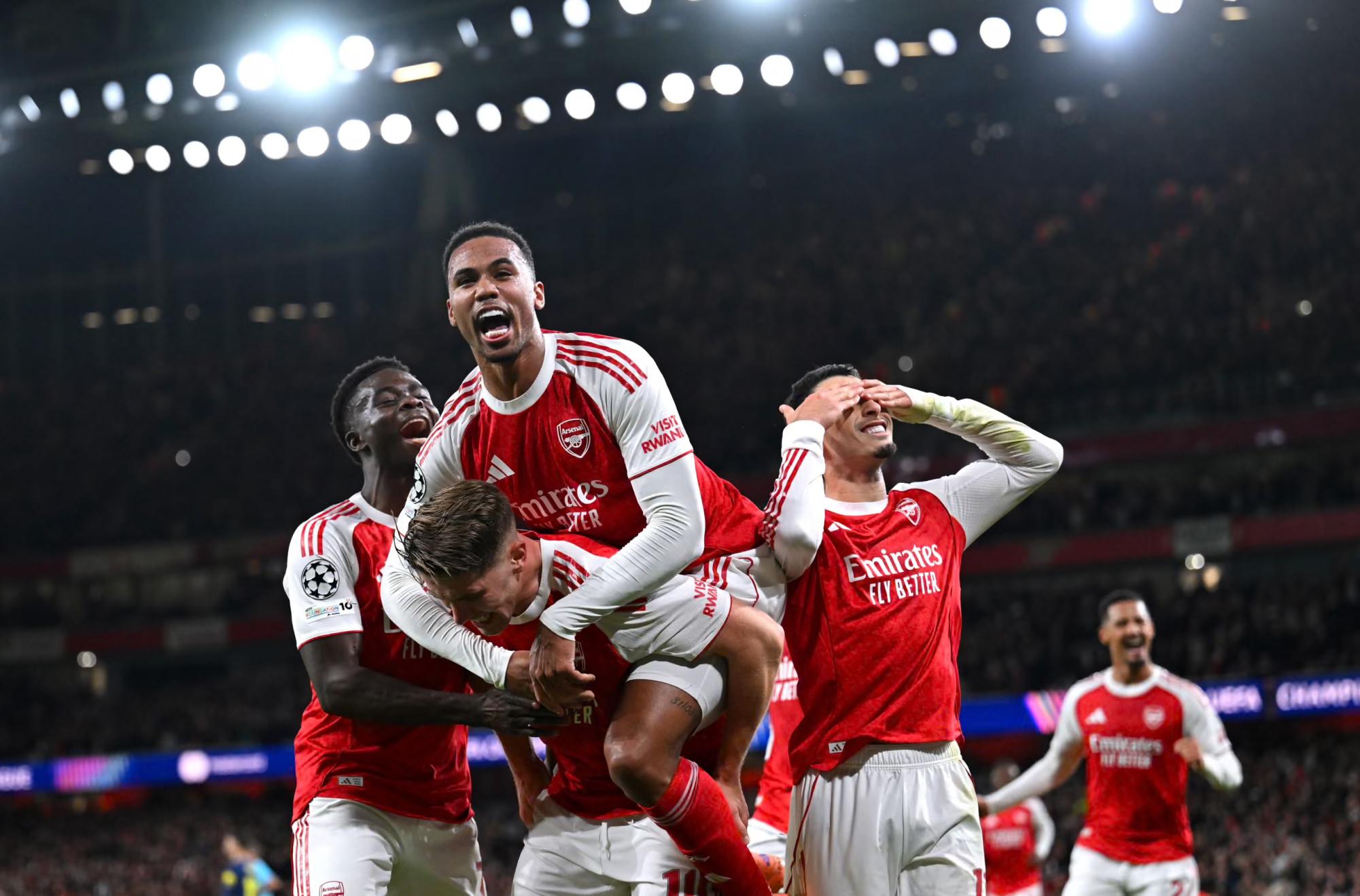
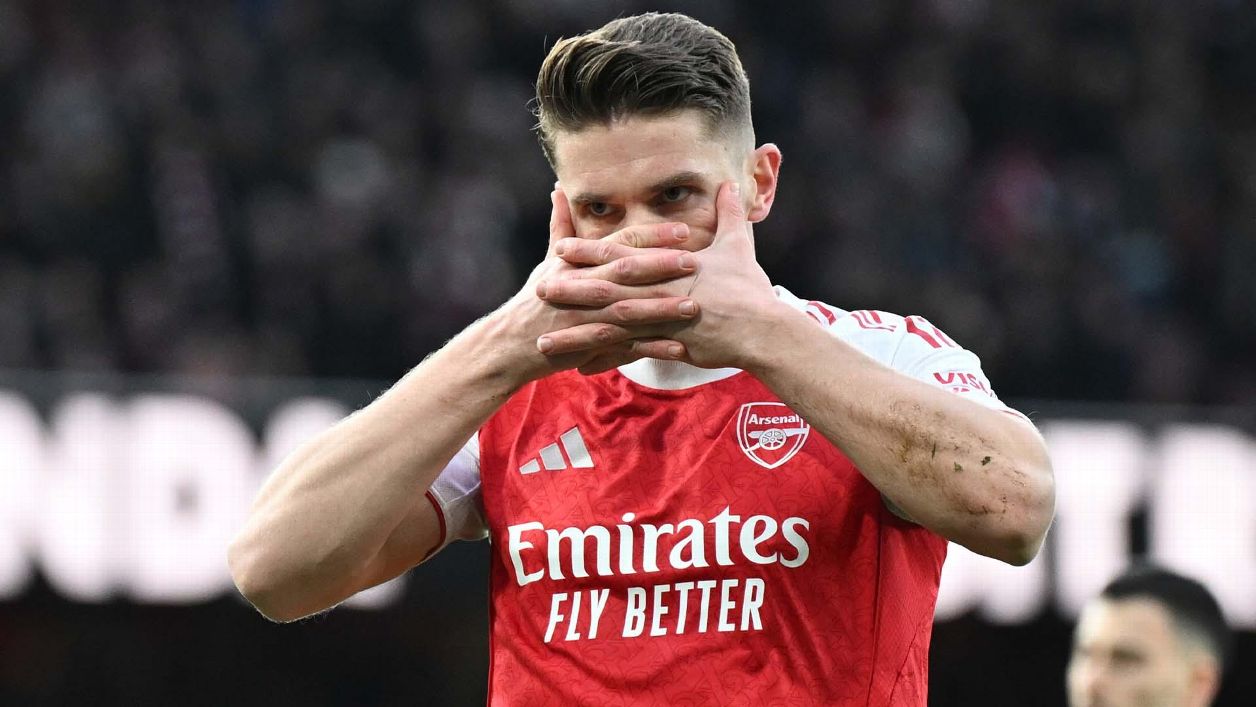
Fast forward to 2026 and the picture appears dramatically different. Arsenal sit top of the Premier League, have reached the EFL Cup final, remain alive in the FA Cup and topped their Champions League group to advance directly to the Round of 16.
On paper, this looks like the season Arsenal finally shed the narrative. In practice, it may end with no trophies at all.
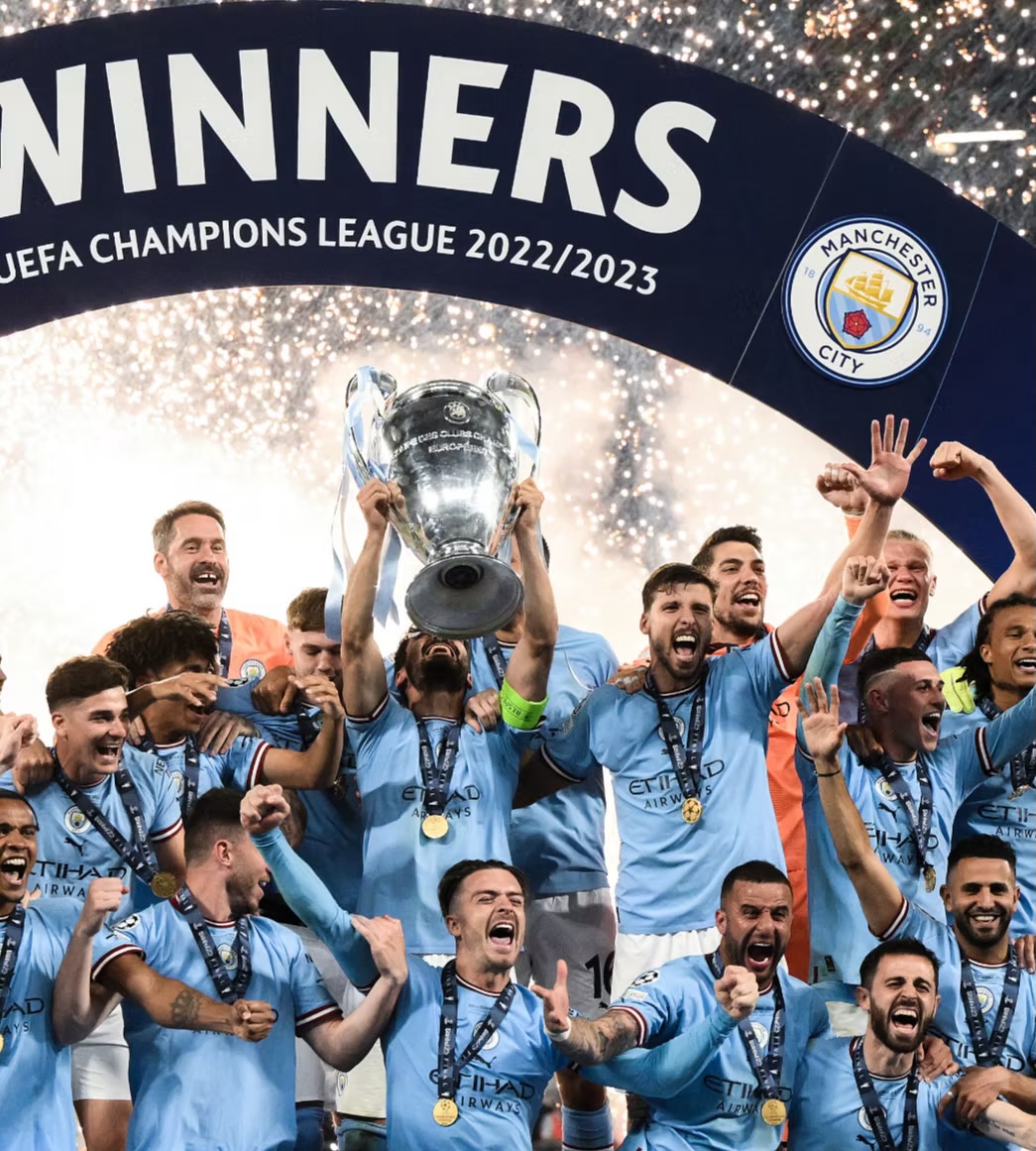
A six-point lead with 13 matches remaining suggests control. Arsenal’s form has been impressive, and for long spells this season, they have looked like champions-in-waiting. That logic, however, struggles when applied to a team managed by Pep Guardiola.
City reinforced an already elite squad in the winter window, adding Antoine Semenyo (the best right-winger in the league) and Marc Guehi (a starting centre-half for the English national team) to a group built for sustained dominance. Up front, Erling Haaland remains the most prolific scorer in world football, supported by a resurgent Phil Foden and the creativity of Rayan Cherki.
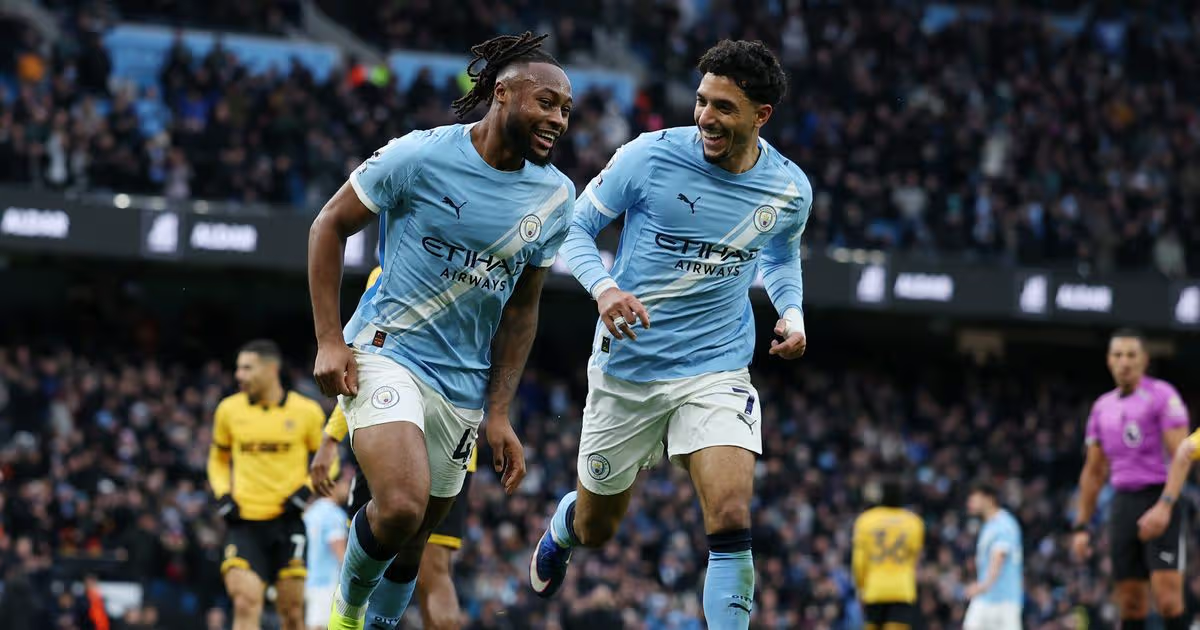
Statistically, the margin is thinner than the table suggests. Arsenal boast the league’s best defence, but City have scored more goals — and with Guehi added to the back line, that defensive edge may narrow quickly. Two Arsenal losses paired with City wins is all it would take for the race to flip.
The EFL Cup final may offer the clearest illustration of the gap. City’s 5–1 aggregate dismantling of Newcastle in the semifinals was ruthless and controlled. Arsenal’s path past Chelsea was far less convincing. If City brings that same authority to the final, Arsenal’s most realistic chance at silverware disappears.
At that point, Arteta’s side would still have just one trophy to show for years of progress — the FA Cup won in his first season.
Title races are not only about quality but sustainability. Arsenal, already thinner than City, are stretched across four competitions at the most demanding stage of the calendar.
The attack has not delivered as expected. Viktor Gyökeres arrived from Sporting CP for £63.5m ($87m) after scoring 54 goals in 52 matches, but has managed just 11 goals in 31 appearances this season. Six of those have come in the league — the highest tally in Arsenal’s squad. That is an uncomfortable reality for a side attempting to fend off City while juggling Europe and domestic cups.
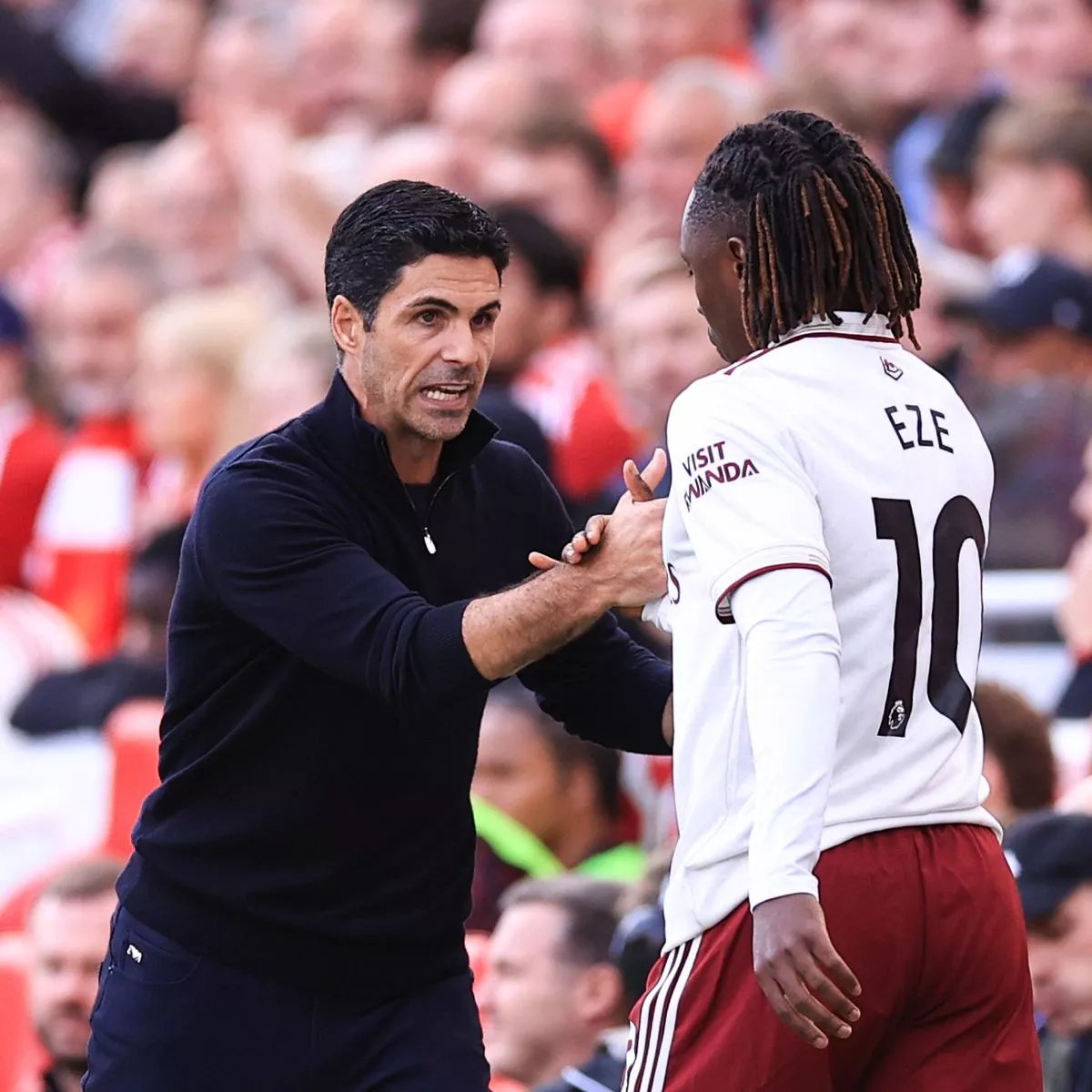
Eberechi Eze’s £67.5m ($91m) signing promised midfield dynamism, yet his limited starts and modest output underline a broader issue: Arsenal remain a system-first team lacking consistent individual decisiveness.
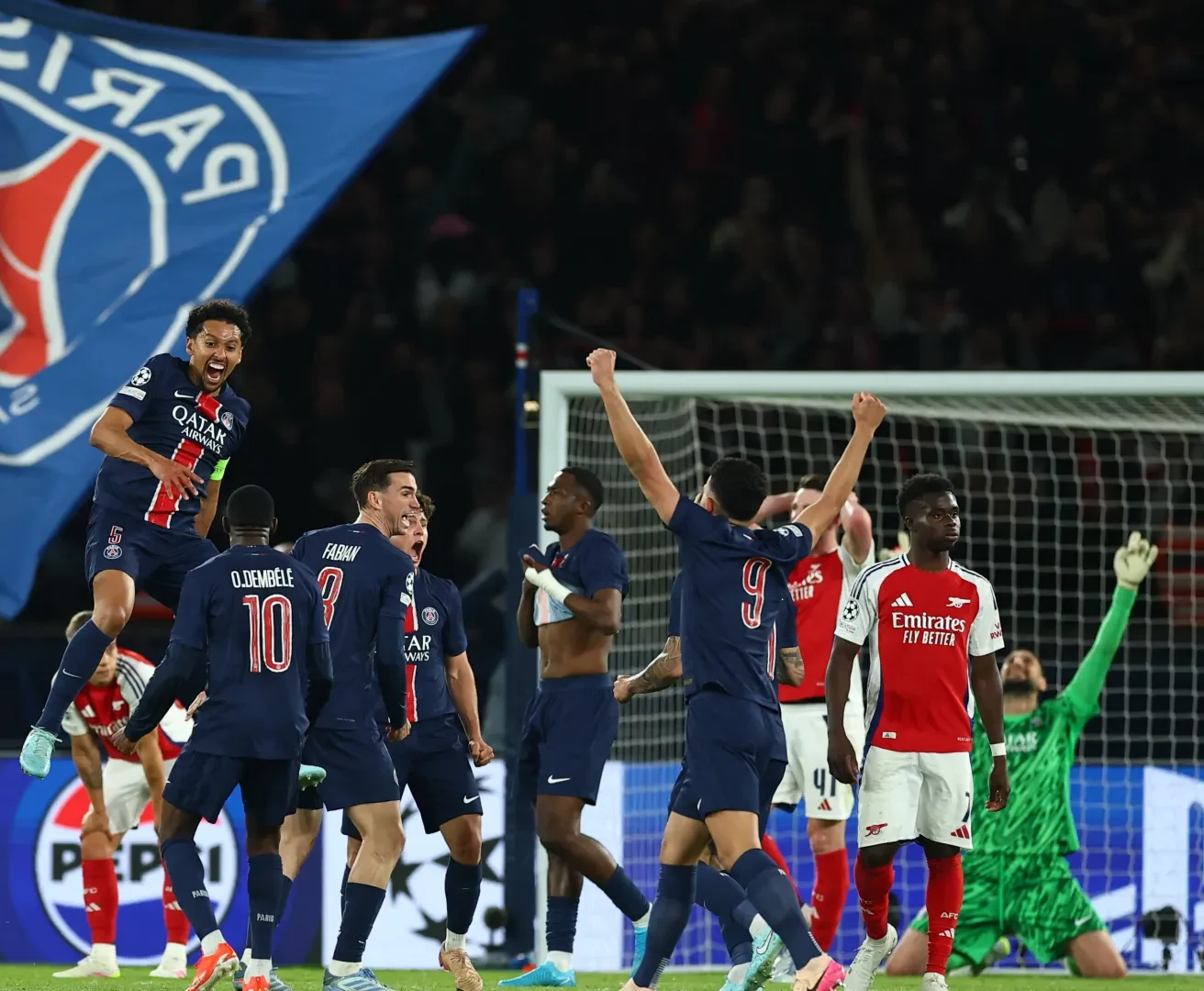
In the Champions League, topping the group offers little protection. Knockout football punishes thin margins, and Arsenal do not yet resemble a side built to outlast the likes of Real Madrid (Spain), Paris Saint-Germain (France), Bayern Munich (Germany), or Inter Milan (Italy) over two legs (Champions League knockout matches feature two matchups, one at each team’s home ground).
The FA Cup, meanwhile, offers romance but no certainty. Each additional match compounds fatigue, increasing the likelihood that Arsenal’s league form, their primary path to silverware, falters first.
Arsenal’s problem has rarely been talent. It has been timing.
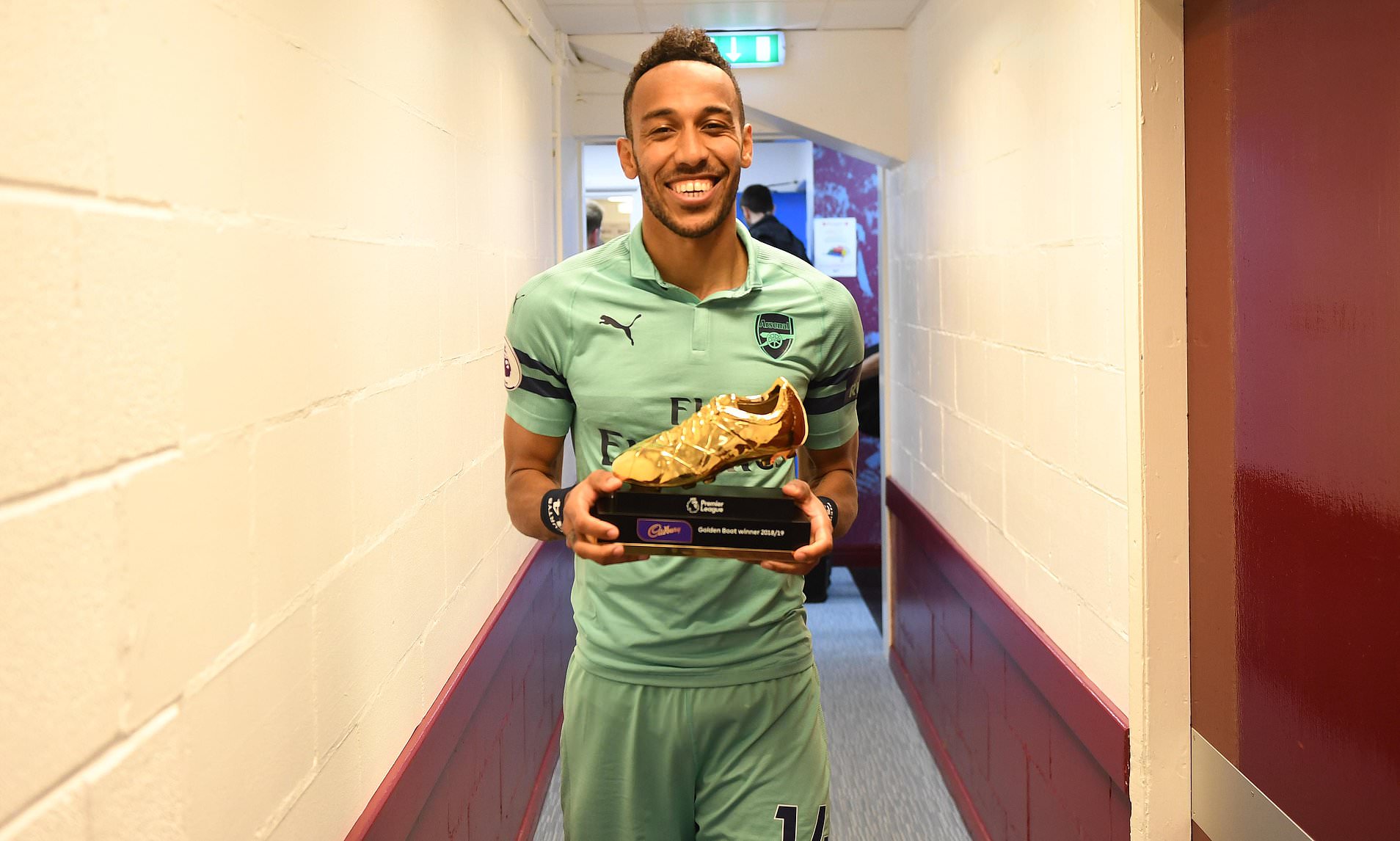
Since 2003–04, the club has cycled through multiple eras rich with quality. Thierry Henry’s post-Invincibles years. The 2010s teams were built around Robin van Persie, Mesut Özil, Alexis Sánchez, and Pierre-Emerick Aubameyang. All came close. None delivered sustained dominance. Both van Persie and Aubameyang won a Golden Boot, given to the Premier League’s top goalscorer of the season. Arsenal failed to capitalize on such successes.
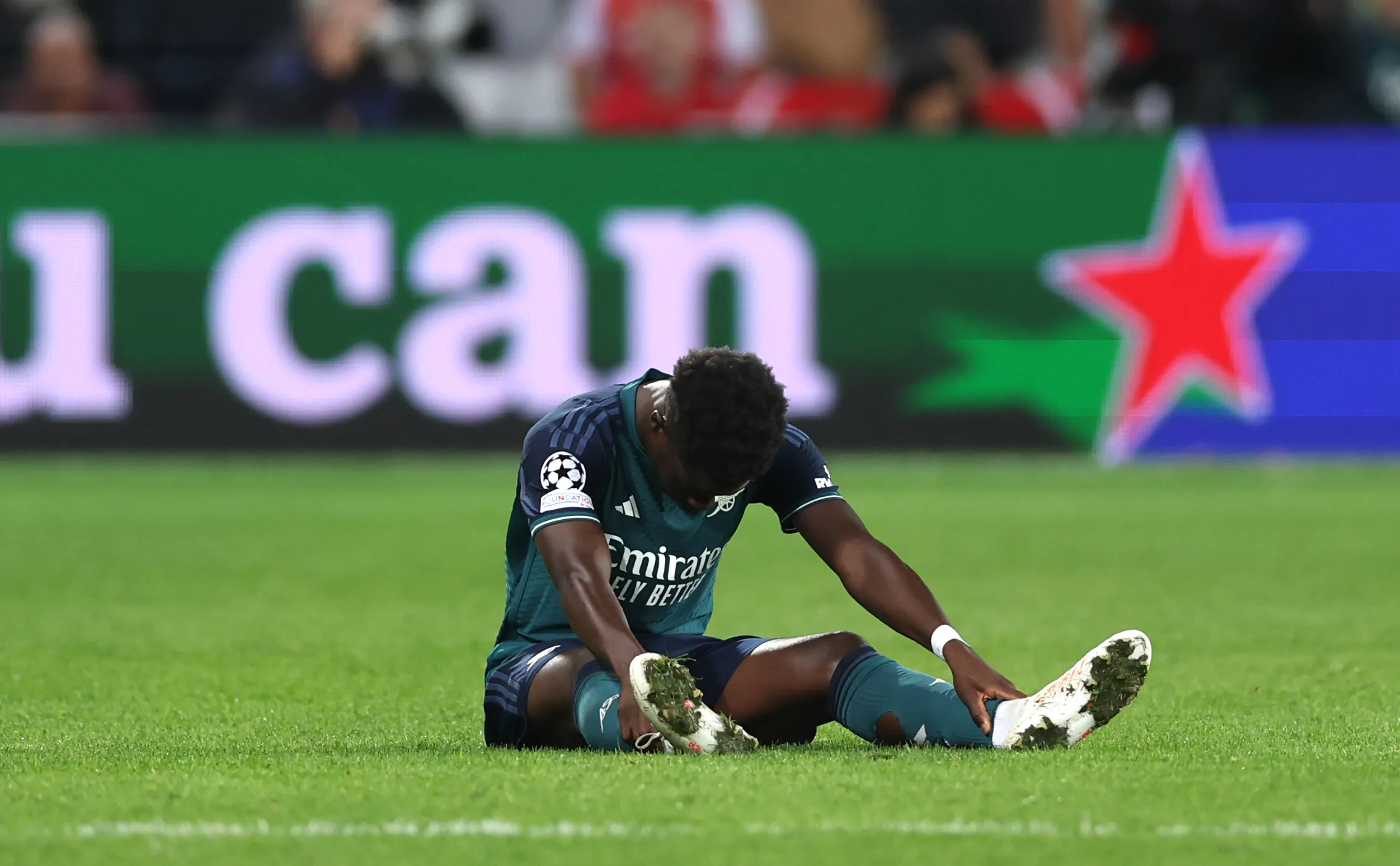
The current era is defined by Bukayo Saka, Arsenal’s symbol of progress and identity. Yet even now, the numbers hint at a familiar limitation. Saka’s Premier League output across seven full seasons remains modest by title-defining standards, particularly when compared to peers like Mohamed Salah, whose worst campaigns still rival Arsenal’s best attacking returns.
This is not an indictment of Saka, but of the environment around him. Arsenal relies on structure and control in a league increasingly decided by moments of individual inevitability.